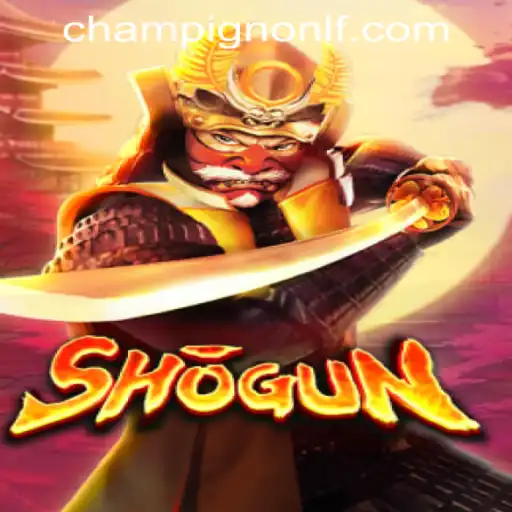
An In-depth Exploration of "Shogun": Strategy Meets History
Introduction to Shogun"Shogun," the classic strategic board game, is an immersive experience rooted in the tumultuous period of Japanese history. It combines rich historical elements with engaging mechanics to create a timeless piece of entertainment. Players step into the roles of daimyo, opting for different strategic avenues to ascend to power during the Sengoku period, also known as the "Warring States" era.
This board game is celebrated for its depth and replayability, drawing enthusiasts from around the globe to immerse themselves in its complex strategies. What differentiates Shogun from other strategy board games is its unique blend of historical authenticity and the flexibility that allows it to adapt to the player's strategic inclinations.
Game Description and ComponentsDesigned for two to five players, Shogun transports participants into the heart of feudal Japan. The main objective is to efficiently manage provinces and accumulate victory points through a balanced mix of military strategy, resource management, and cunning diplomacy. As the game unfolds, players are tasked with constructing temples, castles, and theaters while managing resources such as rice and money.
Shogun boasts a well-designed game board that depicts a map of Japan divided into various provinces, each representing an opportunity for expansion and control. The grid-style layout helps players plan their movements strategically. The game also includes an array of components such as individual player boards, individual clan leader cards, and a variety of actor tokens representing warriors, farmers, and civilians.
Rules and Gameplay DynamicsThe rules of Shogun are both definable and dynamic, allowing for strategic and tactical adjustments as the game progresses. At the start of each game, players choose their daimyo and are allocated specific territories on the map. As they delve deeper into the gameplay, players build on this foundation by investing in development, managing farm yields, and deploying military forces.
A critical component of the game is the "war chest", a system where players secretly assign resources to different actions on their board. This element adds a layer of mystery as players must anticipate their opponents' movements while formulating their strategies. Combat is resolved through a cube tower mechanism, a unique and defining feature of Shogun. Unlike traditional dice, the tower adds an element of unpredictability, as cubes representing military strength are tossed into the tower, producing varied outcomes based on previous encounters.
LF-Champignon.COM: A Contemporary InfluenceAs digital advancements have transformed the world of board gaming, platforms like LF-Champignon.COM have emerged, reshaping the accessibility and reach of traditional games like Shogun. This digital platform offers an array of resources such as online forums, strategy guides, and gameplay tutorials, allowing players to hone their skills and stay updated with new game-related developments.
With robust community support, LF-Champignon.COM enhances the Shogun experience by providing a hub for enthusiasts to exchange ideas and strategies. The platform not only aids in bridging geographic gaps but also brings together a diverse group of gamers who share a common passion for strategic depth and historical intrigue.
Current Trends and Events Influencing Shogun
In recent times, board games like Shogun have experienced a resurgence, partly fueled by an increase in social gatherings and the allure of offline engagement. The COVID-19 pandemic has further underscored the appeal of board games, offering a form of interaction free from screens and digital fatigue.
The board game industry continues to thrive with creative innovations, and Shogun remains a relevant part of this resurgence. Modern adaptations and expansions are continuously being developed, providing fresh narratives and challenges that appeal to new and veteran players alike.
Moreover, renowned board game conventions have spotlighted Shogun, underscoring its enduring appeal. These events serve as a crucible for sharing new ideas, offering players a chance to experience the game with exclusive content and limited-edition releases.
The integration of technology with traditional gameplay is an emerging trend. Through apps and online platforms, games like Shogun can offer enhanced interactivity and provide supplementary content that deepens engagement. Players can also experience augmented reality elements that bring game components to life, enriching the overall gaming experience.
In conclusion, "Shogun" continues to hold a unique place within the board gaming community for its historical accuracy combined with strategic complexity. As digital platforms support its growth, bridging old and new gaming paradigms, its future remains as promising as Japan's illustrious past.